



Work.
A few selected projects I've worked on over the last few years, along with concepts and experiments for my personal enjoyment. I like to understand how mental models evolve over time, so some projects can span long periods.

Designing a coherent service in a fragmented landscape.
When better design makes the underlying dysfunction more visible.
Service Design | User Experience | Behavioural Design | Concept Testing | Product StrategyExplore the project Available on request
Prototypes.
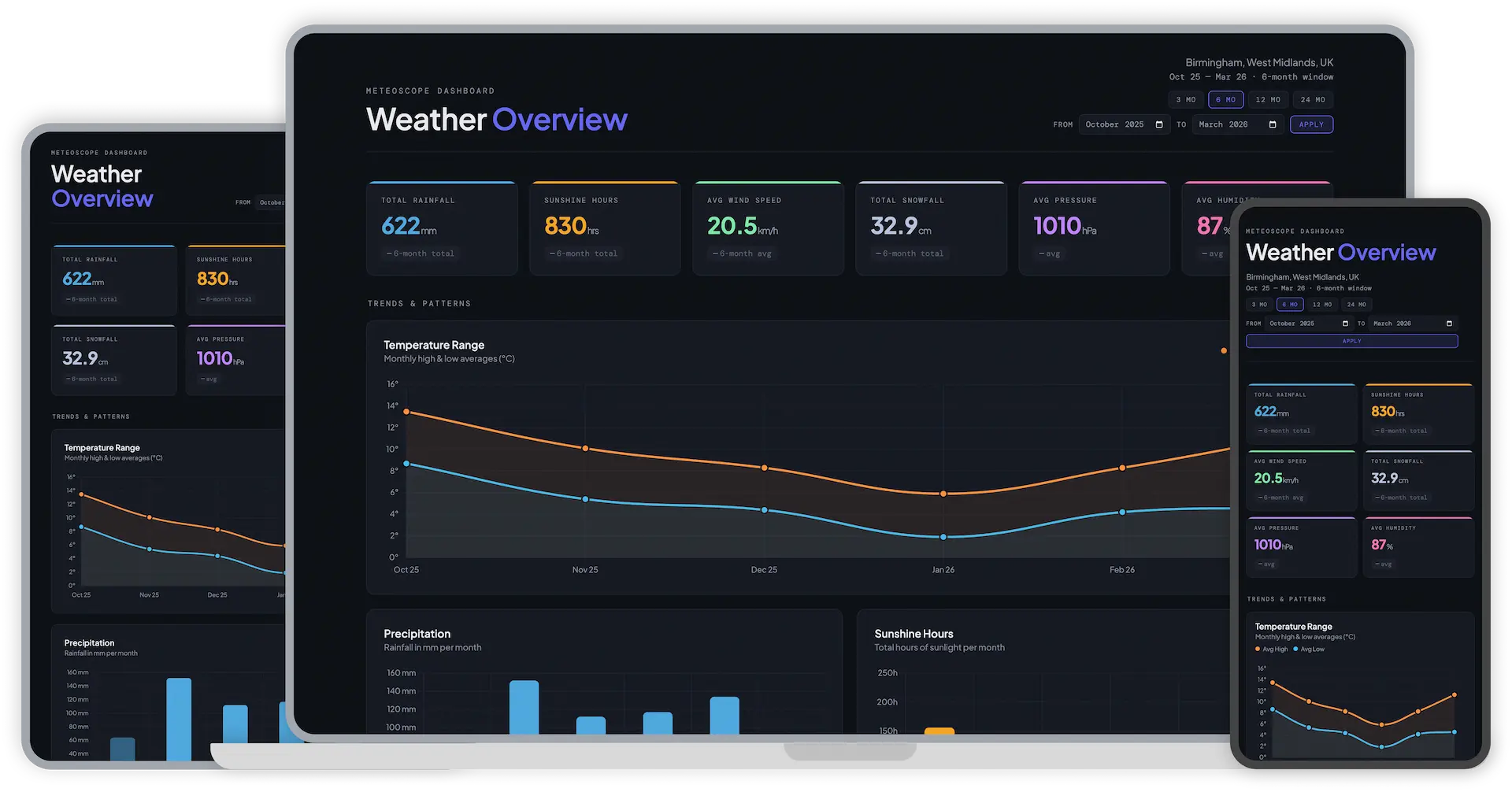
Personal experiments using AI-assisted prototyping, exploring where it accelerates the process, where it doesn't, and what that means for how design work gets done.
Prototyping | AI-Assisted Design | Concept Testing | Design ProcessDiscover the collection
From output to outcome.
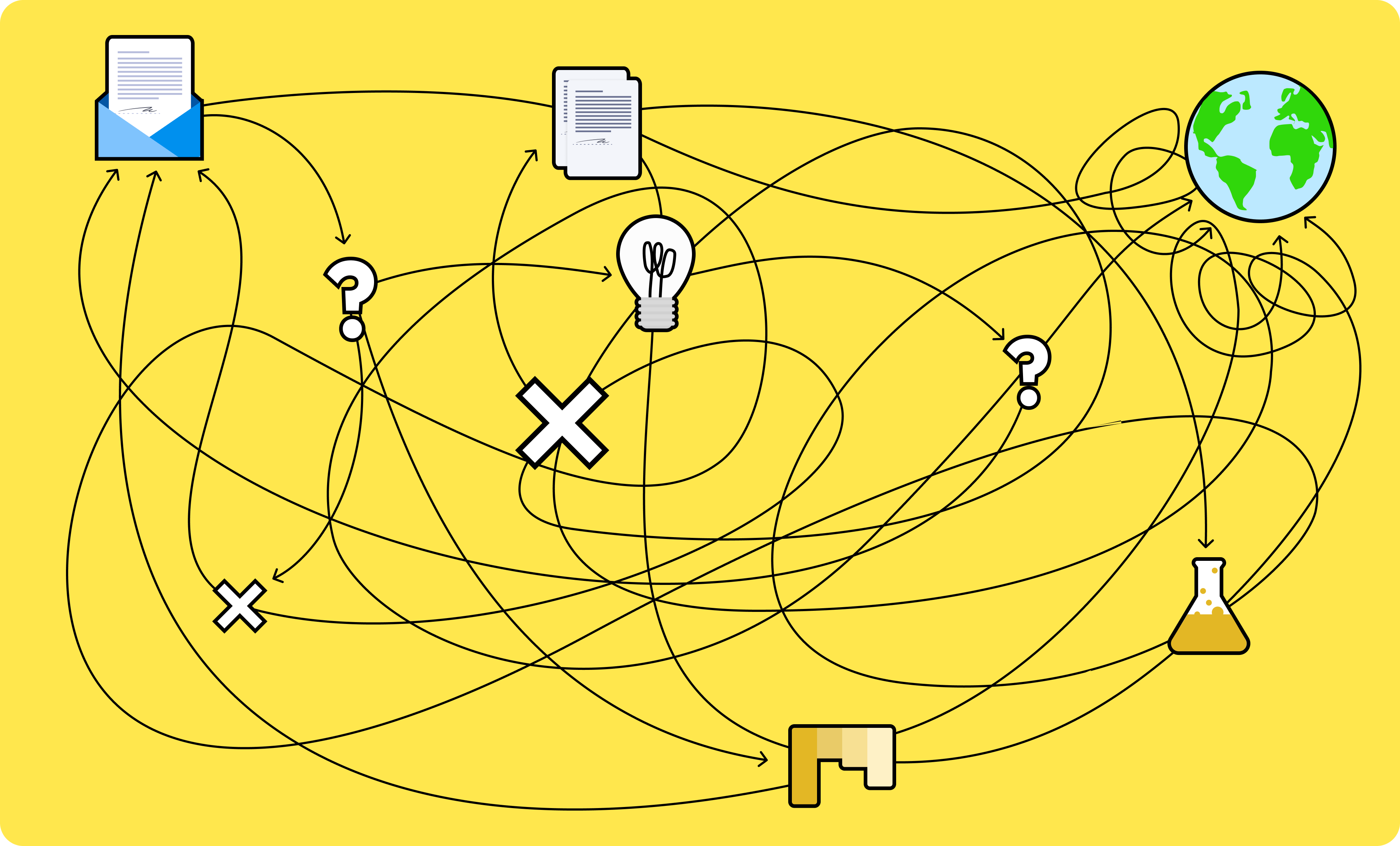
An organisation optimised for output rather than outcome. Changing that culture starts with treating the people involved as users first.
Design Leadership | Service Design | UX Research | Organisational Design | Product Strategy | Stakeholder ManagementRead the case study Available on request
The future is conversational.
When should AI guide, and when should it step back? A 2019 experiment in conversational UI that keeps getting more relevant.
AI | User Experience | User Research | Behavioural Design | Concept Testing | Product Strategy | Product DesignRead the case study
A matter of mental model.
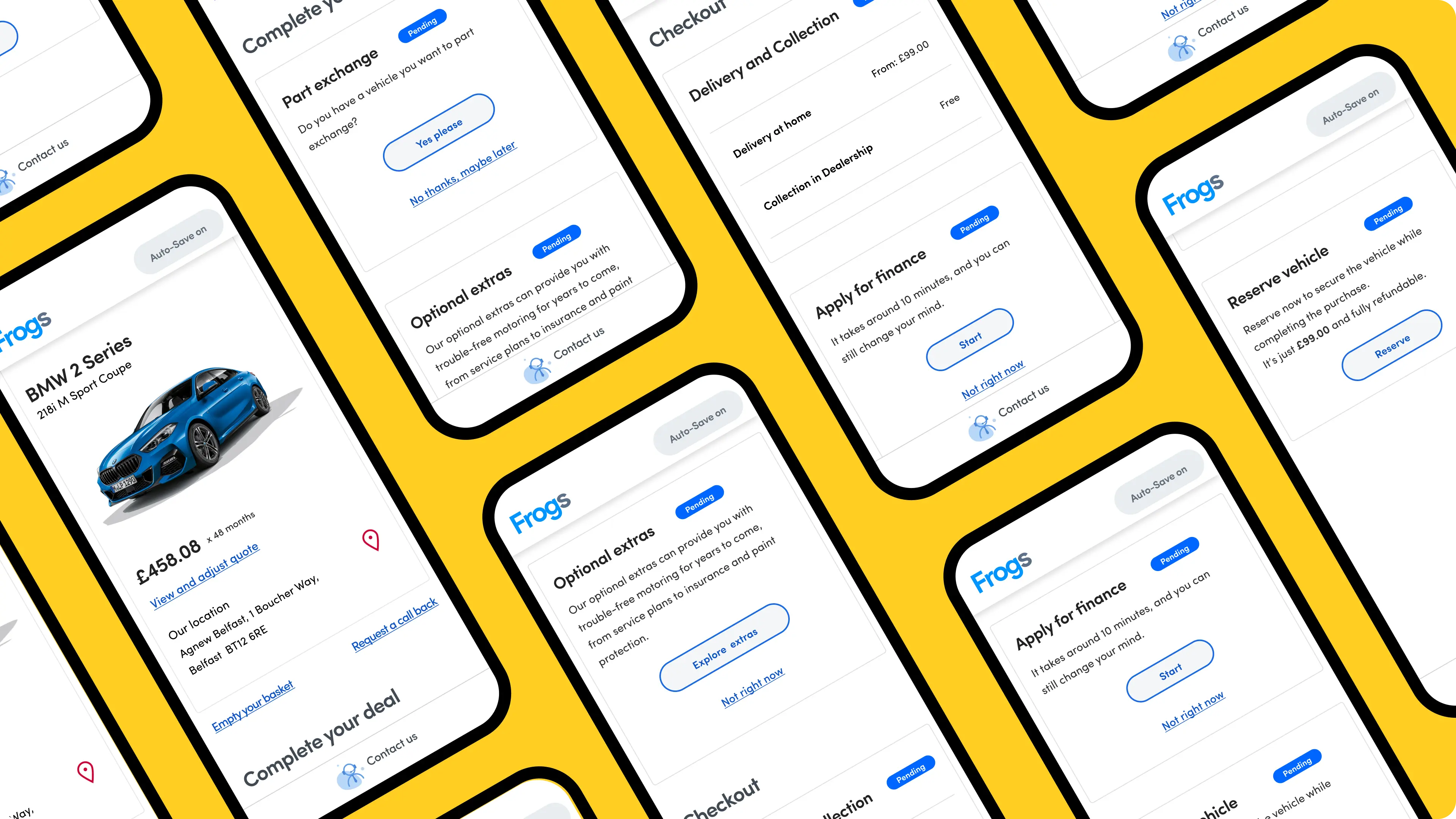
A well-understood concept — reservation — was causing checkout abandonment. The problem wasn't comprehension. It was context.
User Experience | User Research | Concept Testing | Product Design | Product StrategyRead the case study
Writing.
For blog articles hosted on this website, I decided to adopt a different body font to make my nonsenses at least easy to read. The chosen one is Atkinson Hyperlegible, designed by the Braille Institute to help low vision readers.
I've also added the ability to switch between three fonts, so you can choose the one that best work for you.
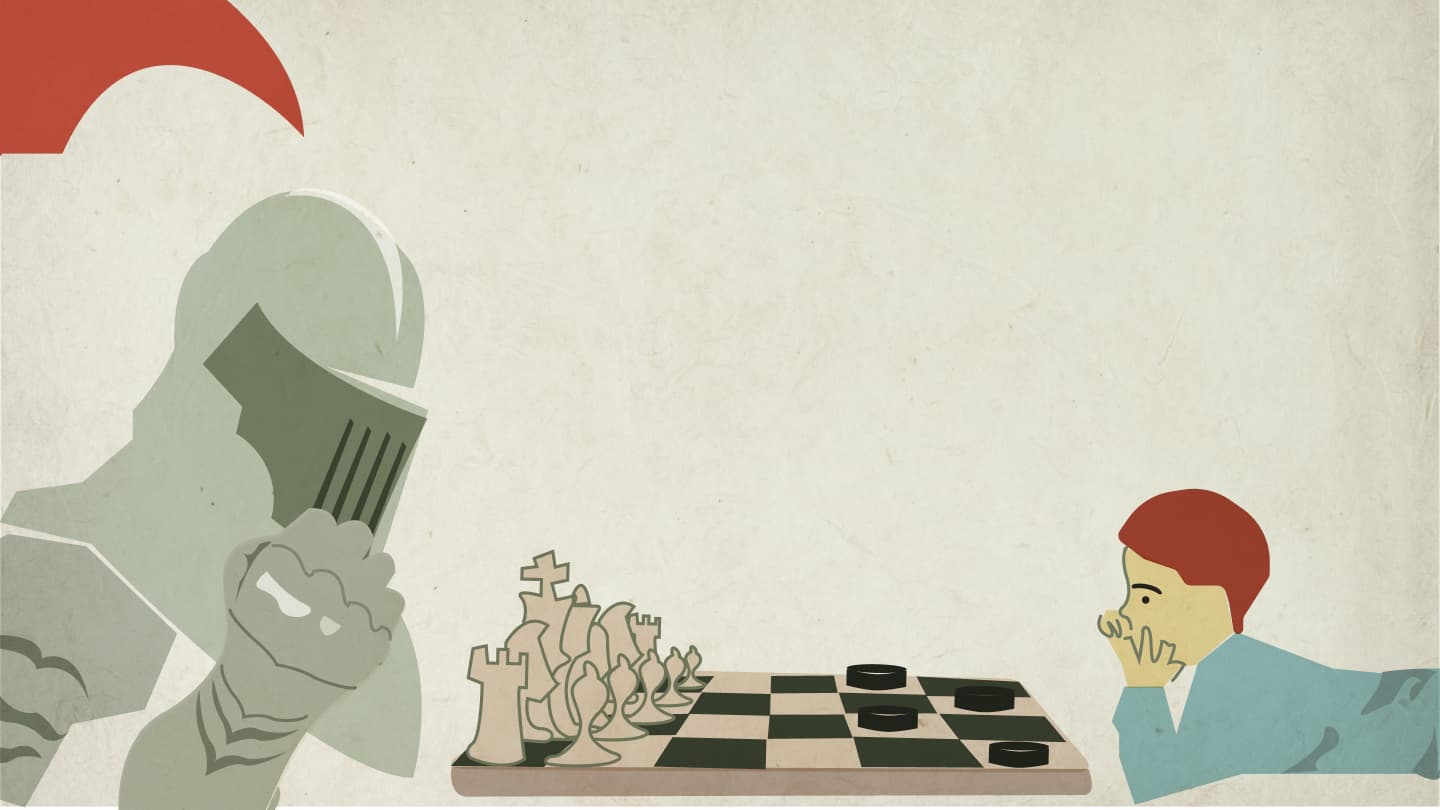
The Register Shift
The agent over-commits. The user, just as quietly, under-resists. Reportage on the register shift between conversation and delegation, and the failure mode it hides.
Read the article UX Collective (Medium)
What AI Exposes About Design
The discipline narrowed itself to UI work over the last decade because UI was where the money was. AI gives us back the rest of the surface.
Read the article UX Collective (Medium)
Aiding manipulation with AI
Field observations on how older adults navigate touchscreens — and what an AI layer changes about that relationship, six years on.
Read the article Bootcamp (Medium)For companies who already suspect their design problem is also an organisational problem.
Some need a design function established from something close to scratch. Some need to restructure one that's grown without coherent intention. Some need a second pair of eyes on a specific question about how the practice fits into the organisation.
Engagements range from a few weeks of diagnostic work to a few months embedded as fractional leadership, the shape follows the question, not the other way around.


Copyright © Alessandro Molinaro 2006-2026